







Types of Egyptian Spells — An Overview
Ancient Egyptian magic (often written with the Egyptian word heka) formed a central element in daily life, ritual, healing, and funerary practice. This article surveys the major types of spells used in ancient Egypt, their functions, typical forms, and the cultural context in which they were employed.
Historical and cultural context
In ancient Egypt magic was not a fringe activity but an accepted discipline closely bound to religion and medicine. The Egyptians believed in a cosmos populated by gods, spirits, and forces that could be influenced through words, gestures, amulets, and ritual objects. Spells were written and spoken in formalized language, often preserved in papyri, carved into tombs, or inscribed on amuletic objects. The same formula might appear in private letters, temple rituals, and funerary texts.
What counted as a “spell”?
A spell could be a short incantation, a long ritual text, a charm placed within a tomb, or even an everyday prayer. Many spells combined words with physical elements — knots, models, figurines, herbs, oils, and stones — because action and phrase together were thought to produce effect.
Major categories of Egyptian spells
Below are the broad types that dominate the corpus of surviving magical texts.
1. Protective spells
Protective magic was by far the most common. These spells guarded individuals, homes, animals, crops, and graves from harm, illness, theft, and malevolent spirits.
House and household protection
Short inscriptions painted or hung in houses invoked household gods, wore amulets, or used spoken formulas to keep intruders and misfortune away. Many of these formulas appealed to deities like Bes (protector of the home and children) and Hathor or local protective spirits.
Personal amulets and talismans
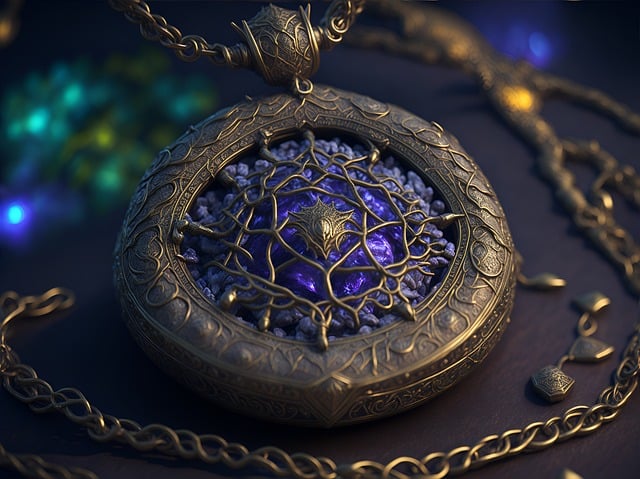
Worn amulets (eye of Horus, scarab, djed pillar) carried durable spells — small inscriptions or symbolic potency. These amulets were often accompanied by specific recitations that “activated” their effect.
2. Healing and medical spells
Egyptians blended practical remedies with magical words. Medical papyri (like the Ebers and Edwin Smith texts) include both prescriptions and ritual instructions.
Spells for disease and injury
Illness was frequently seen as caused or exacerbated by supernatural forces. Spells naming the ailment, addressing the offending spirit, and commanding the disease to depart were common. These spells often invoked healing gods such as Isis, Thoth, and Sekhmet.
3. Funerary spells
Funerary magic ensured safe passage through the afterlife. The famous Book of the Dead, along with Pyramid and Coffin Texts, contains spells to revive the deceased, secure a good arrival at the Field of Reeds, and protect the body from decay.
Spells for the journey after death
These include instructions for safe navigation of the Duat (underworld), negative confessions to proclaim innocence, and name-protection spells because knowing the deceased’s true name granted power over them — or, conversely, ensured their continued identity and protection.
4. Cursing and offensive spells
While less publicly visible, curses and binding spells existed to restrain enemies, thieves, or litigants. These might be written on ostraca, placed in tombs, or formed as figurines representing the target (a form of sympathetic magic).
Binding and throat-stopping formulas
Binding spells sought to immobilize or silence an adversary. Language is often forceful, ordering limbs or the tongue to be still. Deities associated with justice or vengeance could be invoked to reinforce the curse.
5. Love and fertility spells
Spells for love, attraction, and fertility aimed at securing romance, reproduction, or desire. These ranged from simple petitions to complex rituals involving oils, offerings, and recitations directed at gods like Aphrodite-equivalents or local love deities.
Common features
- Use of scented oils and unguents to anoint statues or persons.
- Delivery in the privacy of the household rather than in public temples.
- Symbolic actions (knot-tying, pouring libations) to represent binding or attraction.
6. Divination and revelation spells
Egyptians used spells and oracular techniques to obtain hidden knowledge: the future, the will of the gods, or the cause of an event. Methods included dream incubation, casting lots, interpreting omens, and consulting temple oracles where priests used scripted formulas.
7. Transformation and apotropaic spells
Some spells transformed identity or appearance — especially in funerary contexts where the deceased must become a ba, akh, or identify with a god like Osiris to survive the afterlife. Apotropaic spells, meanwhile, turned away the evil eye and malevolent intent.
Form, language, and structure
Egyptian spells are often formulaic: a statement of the problem, invocation of powerful beings (gods, deceased ancestors, magical animals), a series of commands in the imperative mood, and a closing assurance of effect. Repetition and rhythm were vital; some spells are purposely enigmatic to emphasise sacred secrecy.
Mediums: papyri, amulets, graffiti, and artifacts
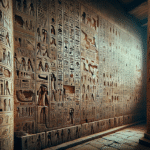
Spells survive on many media. Papyrus scrolls (ritual manuals, Books of the Dead), amulets and scarabs, stelae, tomb walls, and even household pottery contain spells. Portable ritual kits served private practitioners; temple priests maintained larger ritual libraries.
Practical components and tools
Words alone were rarely enough. Tools and materials had prescribed roles:
- Amulets and seals to house the spell.
- Figurines for sympathetic magic.
- Inscriptions on faience, stone, or wood.
- Herbs, oils, and incense to attract or repel forces.
- Knot-tying and burning as symbolic acts.
Who practiced these spells?
Magic was practiced by a broad social spectrum: priests and temple specialists for formal rituals; physicians and midwives for healing spells; householders and literate individuals for private charms; and professional magicians hired to perform specialized rites. The ethical line between acceptable ritual and harmful curse was blurred in practice and often regulated by social norms.
Survival and modern interest
Many ancient Egyptian spells remain influential as objects of scholarly study and popular fascination. Museums, translations of papyri, and archaeological finds have allowed modern readers to glimpse the techniques and beliefs behind these texts. Contemporary spiritual seekers sometimes adapt phrases or symbolism — though academic caution is advised: contexts and cosmologies differ substantially from modern assumptions.
Final thoughts
Egyptian spells display a remarkable combination of language, ritual action, and material culture. Whether used to protect a child, heal an illness, bind an enemy, or guide a soul into the afterlife, these spells reveal how the ancient Egyptians understood the power of words and objects to shape reality. Studying them offers insight into daily life, religion, and the enduring human desire to influence fate.
Suggested further reading
Note: For readers who wish to dive deeper, look for modern translations and commentaries on the Book of the Dead, the Pyramid and Coffin Texts, and medical papyri such as the Ebers Papyrus. Scholarly works contextualize these spells historically and linguistically.