




Love magic has been woven into human culture for millennia: myth, ritual, poetry and kitchen-table folk practices all claim a place in the long story of how people seek connection. This article surveys the most commonly cited types of love magic — **what they are, where they come from, and the ethical considerations** that should always accompany their use. Important: this is a descriptive, contextual piece, not a how-to guide. Wherever possible I focus on symbolic meaning, psychological resonance, and historical background rather than step-by-step rituals or techniques.
Quick note on ethics and consent
Consent matters. Many traditions distinguish between magic that enhances mutual feeling and magic that coerces another’s will. The latter raises ethical concerns and can cause harm. Throughout this article you’ll find emphasis on practices aimed at self-love, attraction through confidence, and mutual flourishing, rather than manipulation.
1. Sympathetic (or Contagious) Magic
Overview
Sympathetic magic rests on the principle “like affects like” — an item connected to a person can be used symbolically to affect that person. It is one of the oldest frameworks in anthropological literature and appears in many cultures’ love-work traditions.
Origins and context
This approach is present in folk charms, love tokens, and talismans worldwide. A lock of hair, a handwritten note, or a personal object are classic symbolic links.
Why it’s “strong”
Its perceived power comes from the psychological connection between object and person: working with an item tied to someone can help the practitioner focus intention and process their own feelings.
2. Glamour and Attraction Magic
Overview
Glamour magic aims to enhance attractiveness, charisma, and personal magnetism. It is less about bending another’s will and more about amplifying the practitioner’s own presence.
Typical emphasis
Glamour traditions prioritize image, voice, posture, scent and confidence. In many historical contexts glamours were practiced by poets, courtiers, and performers who wished to sway hearts through charm rather than coercion.
3. Sigil and Intent Magic
Overview
Sigil magic involves creating a visual symbol that encapsulates an intention. The sigil is charged through focused attention and later released — symbolically letting the desire go.
Why practitioners value it
Sigils are psychologically powerful because they transform a complex wish into a compact representation, which makes focus and unconscious processing easier. Many modern practitioners treat them as tools for mental rehearsal and habit change.
4. Candle and Color Magic
Overview
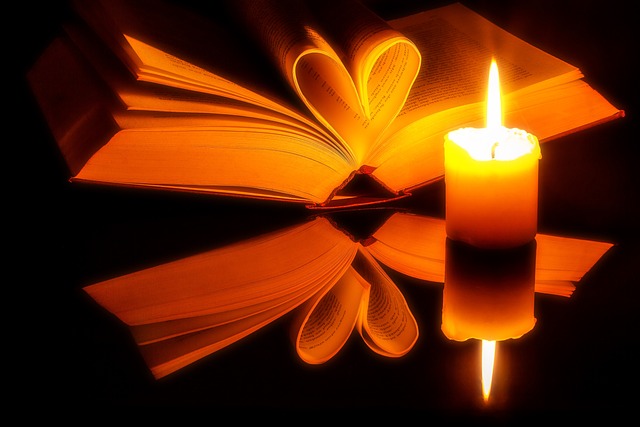
Candle work uses flame, color, and symbolism to direct intention. Different colors and shapes are associated with different emotional qualities; for love themes, warm and inviting hues are typical.
Strengths and limits
Its strength is in ritualized focus and sensory feedback: the sight of the flame, the smell of wax, and the act of lighting create a contained moment for reflection and commitment. It is not a direct means of controlling others.
5. Herbal and Aromatherapy Approaches
Overview
Herbal magic blends historical folklore with the chemistry of scent. Roses, jasmine, lavender and ylang-ylang, for instance, have long been associated with love and relaxation.
Why it feels potent
Olfaction is deeply tied to memory and emotion; using herbs or scented oils can alter mood, increase confidence, and create environments more conducive to intimacy.
6. Crystal and Gemstone Work
Overview
Many systems assign emotional properties to stones — rose quartz for compassion, garnet for passion, moonstone for emotional balance. Crystal work is often used as a meditative or talismanic practice.
Psychological function
Placing a stone on an altar or carrying it in a pocket serves as a physical reminder of intention. The real “power” is frequently the attention and meaning the practitioner invests in the object.
7. Moon and Planetary Magic
Overview
Astral timing — working with lunar phases or planetary correspondences — is central in many formal traditions. New moons are often associated with beginnings; full moons with fruition and heightened emotion.
Why users find it persuasive
Cycles help structure intention: timing a personal transformation to a visible cycle gives practitioners a sense of rhythm and progress.
8. Ceremonial and High Magic
Overview
Formal, ceremonial systems (from Western esotericism and grimoires to reconstructed temple rites) use elaborate ritual, symbolism and often an ethical framework. They can be psychologically immersive.
Strengths and caveats
When practiced responsibly, ceremonial magic builds discipline, clarity and ritual language. However, complexity does not equal moral superiority — ethical reflection is essential.
9. Folk and Rural Charms
Overview
Every culture has its folkways: songs, recipes, charms, or household rituals intended to bring lovers together or heal broken relationships. These are often simple, communal, and embedded in daily life.
Value
Folk practices are resilient because they’re social: they involve family, neighbors, and shared narratives rather than solitary manipulation.
10. Erotic and Tantric Practices
Overview
In tantric and other sacred sexuality traditions, the body and breath are primary tools. These practices are explicitly about mutual presence, consent, and sacred connection.
Ethical core
These approaches center consent and shared exploration — often the most healthy form of “love magic” because they cultivate real intimacy rather than illusion.
11. Healing and Self-Love Magic
Overview
Self-love work is arguably the strongest and most sustainable “love magic” because it changes how you relate to yourself and therefore what you attract. Rituals, meditations, and practices that restore self-worth are foundational.
Why it’s transformative
Improved self-regard leads to healthier boundaries, better choices, and relationships grounded in reciprocity. Many spiritual teachers argue that true love magic must begin here.
12. Psychological and Symbolic Work
Overview
Some modern practitioners frame magic as applied psychology: visualization, narrative reframing, and ritualized habit change. These methods are less about supernatural causation and more about altering cognition and behavior.
Scientific friendliness
Because these techniques overlap with therapeutic practices (visualization, CBT-style reframing), they are among the most defensible — and often the most effective — when aiming to change relational outcomes.
Practical considerations and risks
Do no harm
Avoid attempts to coerce another person. Practices designed to override someone’s autonomy create ethical and emotional damage. If your goal is connection, prioritize methods that enhance mutual attraction and your own well-being.
Placebo and psychology
Many experiences attributed to “magic” can be explained by increased confidence, improved mood, or changes in behavior that follow intention-setting. That does not make them invalid — intention plus action often produces measurable change.
Cultural sensitivity
Respect origin communities and avoid exploitative appropriation. Learn from sources responsibly and honor their cultural context.
How to choose a path (without instructions)
Match technique to goal
Want to feel more confident? Consider glamour, aromatherapy, or sigil work that centers your self-image. Seeking deeper connection? Explore tantric, healing, or mutual rituals. Curious about heritage? Investigate folk traditions respectfully.
Focus on transformation, not control
The most durable outcomes come when magic is used to transform the practitioner — increasing empathy, repairing trauma, or cultivating self-respect — rather than trying to forcibly change another person.
Conclusion
There is no single “strongest” kind of love magic — strength depends on intention, ethical stance, and the practitioner’s psychological readiness. If we measure power by lasting, healthy relationships, then **healing and self-love practices combined with mutual, consent-based rituals** are the most potent. Use symbolism and ritual to structure your inner work, prioritize consent, and remember: the most reliable magic is the one that helps people become kinder, clearer, and more present with one another.