



The Most Common Ingredients in Traditional Love Spells and Their Meanings
Across cultures and centuries, humans have turned to symbolic objects and fragrant botanicals to express longing, attraction, and devotion. While the specifics of rituals differ widely, many **traditional love-spell ingredients** recur because of their rich symbolic, sensory, and emotional associations. Below is a survey of the most common ingredients you’ll encounter in folkloric, herbal, and magical lore — together with the meanings, cultural context, and ethical considerations that surround them.
Why ingredients matter: symbolism, scent, and sensory memory
Ingredients in love magic often function on three levels: **symbolic meaning** (what a thing represents), **sensory power** (how scent, color, or texture affects emotions), and **memory association** (how an object evokes personal experiences). Understanding these levels helps explain why the same herb or mineral appears time and again in traditions from Europe to West Africa to the Americas.
Herbs and flowers
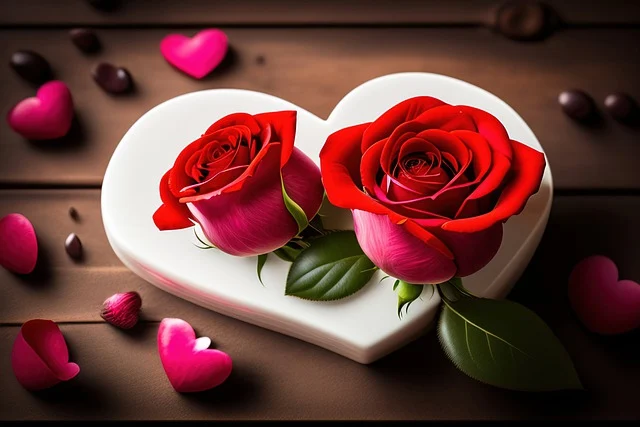
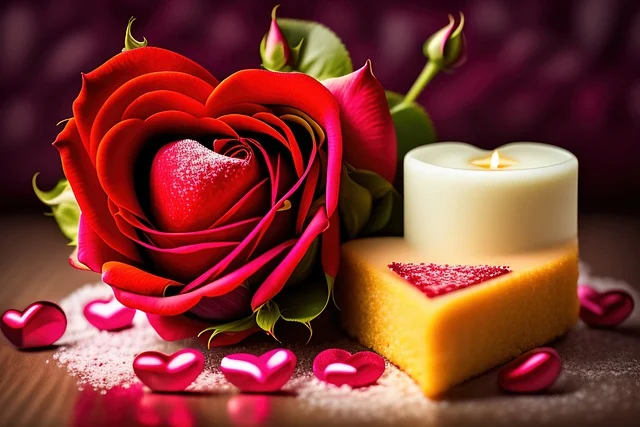
Rose (Rosa spp.)
Meaning: Universal symbol of romantic love, passion, and beauty.
Why it’s common: Roses have a long history in poetry and ritual; their fragrance and petals are associated with the heart and desire. In many traditions, red roses symbolize passionate love while white roses are offered for purity and spiritual affection.
Lavender (Lavandula)
Meaning: Calm, attraction, and gentle devotion.
Why it’s common: Lavender’s soothing scent is linked to peace and openness — a helpful complement to love work focused on trust or easing anxiety in relationships.
Jasmine (Jasminum)
Meaning: Sensuality, solar warmth, and erotic attraction.
Why it’s common: Intensely fragranced at night, jasmine historically connects with moonlit romance and desire. It’s often used in oils and perfumes in love-related contexts.
Vanilla
Meaning: Comfort, sensuality, and sweetness.
Why it’s common: Vanilla’s rich scent is evocative and warmly intimate — it’s used in infusions and potions as a symbol of tenderness and pleasurable closeness.
Spices and kitchen botanicals
Cinnamon
Meaning: Passion, potency, and urgency.
Why it’s common: Cinnamon’s sharp, warming scent is associated with heat and intensity. In folk recipes it’s used to speed things up or to add energy to an intention.
Cloves
Meaning: Protection for relationships, fidelity, and inner fire.
Why it’s common: Strong and spicy, cloves are believed in many systems to both attract and safeguard romantic bonds.
Honey
Meaning: Sweetening, binding affection, and reconciliation.
Why it’s common: Honey’s sticky, sweet nature makes it a frequent symbolic ingredient for “sweetening” relationships or making bonds more enduring — often used metaphorically rather than literally.
Resins, woods, and incense
Sandalwood
Meaning: Sacred space, grounding intimacy, and spiritual attraction.
Why it’s common: Its woody, creamy aroma is used to set a contemplative and reverent mood — helpful in love work that includes prayer, meditation, or long-term commitment.
Frankincense and myrrh
Meaning: Purification, consecration, and solemn devotion.
Why it’s common: Often used in ritual to cleanse an area and to raise the tone of the ceremony; when paired with softer florals, resins can turn passionate intentions into solemn vows.
Colors, threads, and physical symbols
Not all ingredients are edible or fragrant — **colors, ribbons, and small tokens** play large roles too. Red and pink fabrics signal desire and romance; green threads relate to growth and new beginnings; rings, lockets, and carved hearts act as focal objects for ongoing devotion.
Red ribbon or thread
Meaning: Passion, connection, and the visible tying of intent.
Why it’s common: Tying a ribbon or thread around an object or around a person’s representation symbolizes binding or strengthening a connection. Many cultures have variations of the “red thread” motif.
Minerals, metals, and charms
Metals and stones are used for their symbolic and energetic associations. They are typically carried, worn, or placed on altars rather than consumed.
Rose quartz
Meaning: Unconditional love, self-acceptance, and emotional healing.
Why it’s common: As a stone associated with the heart, rose quartz is often used to attract gentle love or to heal past heartbreaks.
Gold or copper charms
Meaning: Prosperity, warmth, and the durable value of love.
Why it’s common: Metals carry cultural associations with value and permanence; small metal tokens are used as talismans to symbolize enduring affection.
Foods and symbolic offerings
Fruit and symbolic foods appear in many love-related practices. Their meanings are often obvious — apples for seduction, pomegranates for fertility and abundance — but the cultural backstory enriches their use.
Apples
Meaning: Desire, temptation, and union.
Why it’s common: The apple’s mythic links to romance and desire (from ancient Europe to the Garden of Eden narratives) make it a short-hand for romantic possibility.
Symbols of consent and ethics
Important ethical note: Across modern practitioners and many traditional teachers there is a strong emphasis on consent and harm-avoidance. Love work that aims to remove free will, coerce, or manipulate another person is widely considered unethical and can cause real harm. Many contemporary folk and magical communities encourage focusing on self-love, attraction of compatible partners, or asking the universe to align you with someone who freely reciprocates.
Common patterns and combinations
Rather than single ingredients, many traditions favor **combinations** that balance attraction, stability, and protection. For example, a floral (rose, jasmine) might be paired with a grounding wood (sandalwood) and a protective spice (clove) — together these create an intention that is sensual, steady, and safeguarded.
Why mixtures are used
Mixtures reflect the complexity of human relationships: scent for immediate emotional response, color or cloth for visible symbolism, and a charm or crystal for long-term influence. The multi-layered approach mirrors ritual aims — to evoke feeling, to fix attention, and to remind participants of their intention.
Practical cultural considerations
Many ingredients have cultural specificity. For instance, some aromas or botanicals used in one tradition carry entirely different connotations in another. Respect for origin cultures and awareness about sustainability (e.g., endangered sandalwood species) are important when selecting materials.
Allergy and ecological cautions
Herbs, resins, and foods can cause allergies or interact with health conditions. Additionally, some culturally prized woods and resins are endangered; modern practitioners often recommend ethically sourced or synthetic alternatives to avoid contributing to ecological harm.
Final reflections
In the end, the most potent “ingredient” in any tradition is the human heart that gives intention meaning. **Symbols work because people agree to their meanings** — a rose can carry centuries of poetry behind it, but its power comes alive in the feelings it evokes now.
Closing thought
Whether you encounter roses and rosemary, cinnamon and honey, or a small carved token passed down through generations, remember that these ingredients are entry points into stories about desire, commitment, and belonging. Treat their histories with curiosity, their uses with care, and other people’s autonomy with absolute respect.
Disclaimer: This article describes symbolic and cultural meanings and does not provide instructions or guidance for performing rituals that would harm others or violate consent. If you are interested in folklore or cultural history, consult primary sources or respected folklorists for deeper study.