


The Power of Perfume and Oils in Ancient Egyptian Seduction Spells
In the mystical world of Ancient Egypt, seduction was not merely an art of charm and beauty but an intricate combination of magic, ritual, and olfactory enchantment. Among the most revered tools in the Egyptian arsenal were perfumes and oils, believed to possess transformative powers capable of invoking desire, attraction, and even spiritual union.
Introduction to Ancient Egyptian Magic
Magic in Ancient Egypt, or heka, was considered a natural force, inherent in the universe, which could be harnessed to influence human emotions and events. Unlike mere superstition, heka was an essential part of daily life and spiritual practice. Seduction spells, often performed by priests, priestesses, or skilled magicians, relied heavily on aromatic substances to manifest the desired outcomes.
The Role of Perfumes and Oils
Perfumes and oils were more than just scents in Ancient Egypt; they were potent magical agents. Egyptians believed that these substances could communicate with the divine, attract lovers, and amplify personal magnetism. Their importance is evident in the tombs of pharaohs, which were often stocked with fragrant oils and unguents intended for the afterlife, as well as in temple rituals where aromas played a central role in ceremonies.
Ingredients and Their Significance
Perfumes and oils were meticulously crafted from flowers, herbs, resins, and minerals. Each ingredient carried a specific symbolic and magical significance:
- Myrrh: Used to promote love and enhance spiritual connection.
- Frankincense: Believed to purify spaces and attract divine favor.
- Lotus Extract: Symbolized rebirth and sensuality, often used in erotic spells.
- Cinnamon and Cloves: Invoked passion and increased personal allure.
- Olive and Almond Oils: Served as carriers for magical herbs, absorbing and amplifying their powers.
The Art of Blending
The creation of seduction perfumes was both an art and a sacred ritual. Practitioners carefully blended oils and resins according to astrological timings, phases of the moon, and the target of the spell. The act of mixing was itself a magical gesture, intended to infuse the concoction with the energy of attraction and desire. Ancient texts suggest that the scent had to linger on the body of the practitioner or the intended recipient, acting as a constant reminder of the spell’s potency.
Perfumes and Oils in Seduction Rituals
Daily Rituals and Personal Enhancement
Personal grooming and the use of scented oils were considered essential in enhancing one’s natural appeal. Egyptians applied perfumed oils to the body during morning and evening routines, not merely for hygiene but to awaken sensuality and charm. Fragrance was believed to have the power to captivate and influence the emotions of others, subtly drawing the desired partner closer through subconscious attraction.
Rituals of Seduction and Love Spells
Seduction spells often included the burning of incense, anointing with oils, and recitation of magical words. Perfume played a central role in these rituals, as it acted as both a medium for the spell and a symbol of the practitioner’s intent. Certain oils were applied to statues or images of the intended lover, believed to transfer the spell’s energy through scent and touch. Rituals were typically performed at night, under the influence of moonlight, enhancing the mystical and erotic potency of the magic.
Incense and Perfumed Smoke
Burning incense infused the environment with aromatic energy. Scents like myrrh, frankincense, and saffron created an atmosphere charged with desire, opening the heart and mind to passion. Perfumed smoke was thought to carry the spell to the spiritual realm, aligning divine forces with human emotion. Temples and homes alike often utilized incense in seduction rituals, recognizing its power to manipulate both the physical and metaphysical senses.
Symbolism of Oils on the Body
Anointing the body with oils was not purely cosmetic. Oils acted as extensions of personal energy, enhancing attractiveness and drawing attention through both scent and tactile sensation. Oils were often combined with magical inscriptions or symbols, adding a layer of spiritual efficacy. For example, lotus oil on the chest was believed to awaken both sensuality and spiritual receptivity, aligning the practitioner with both earthly and divine love.
Ancient Texts and Recipes
Hieroglyphs and Papyrus Scrolls
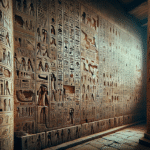
Evidence of seduction spells can be found in various papyrus manuscripts and tomb inscriptions. Recipes often called for precise measurements of herbs and oils, as well as specific chants to activate the spell. Some texts describe rituals performed over days or weeks, emphasizing the importance of patience and consistency. Ancient Egyptian magicians were meticulous in following these prescriptions, believing that deviation could weaken the spell or produce unintended consequences.
Sample Ingredients and Ritual Methods
A typical seduction blend might include:
- Base Oil: Almond or sesame oil, serving as a carrier for magical essence.
- Essential Oils: Rose for love, myrrh for passion, and cinnamon for desire.
- Ritual Additions: Ground resins, small offerings, and inscriptions of love symbols.
The oils were carefully warmed, stirred clockwise, and anointed on both the practitioner and objects representing the intended lover. Each step was accompanied by spoken charms, often invoking deities such as Hathor, the goddess of love, or Bastet, protector of home and family, to bless the ritual.
The Cultural and Spiritual Significance
Perfume as a Bridge Between Worlds
In Ancient Egypt, perfumes were not limited to earthly purposes; they were a medium for communication with the divine. Fragrance symbolized the presence of gods and spirits, and through its use, humans could tap into cosmic energies. Seduction spells, therefore, were not mere manipulations of desire—they were sacred acts connecting human passion with divine influence.
Legacy and Influence
The use of perfumes and oils in seduction has had a lasting impact on both magic and culture. Many modern practices in aromatherapy, love potions, and ritual magic trace their origins back to Egyptian methods. The ancient understanding of scent as a powerful psychological and spiritual tool continues to resonate, highlighting the sophisticated knowledge possessed by Egyptian magicians.
Conclusion
The use of perfumes and oils in Ancient Egyptian seduction spells reflects a profound understanding of the intertwined nature of the physical, emotional, and spiritual realms. Fragrance was more than an adornment—it was a conduit of magic, desire, and divine influence. From the careful blending of resins and oils to the intricate rituals invoking the gods, Ancient Egyptians demonstrated that seduction was not merely an art of the senses but a sacred and powerful practice. Today, their legacy continues to inspire both the magical and the aesthetic worlds, reminding us that scent has the unparalleled power to enchant, attract, and transform.