








Invoking Bes: The Protective Dwarf God of Home, Family, and Love
In the rich tapestry of ancient Egyptian mythology, Bes occupies a unique and fascinating position. Unlike many gods of the Egyptian pantheon, who were associated with grandiose cosmic forces or ruling powers, Bes was intimately connected with the daily life of the common people. He was the dwarf deity whose presence was invoked to protect homes, families, and lovers. Understanding Bes not only opens a window into the spiritual life of ancient Egyptians but also provides insight into how humans across cultures have sought divine protection for their most cherished domains.
The Origins of Bes
Bes is believed to have originated in Nubia or the desert regions south of Egypt, eventually becoming a significant figure within Egyptian religion. Unlike the towering, majestic depictions of gods like Ra or Osiris, Bes was depicted as a small, stout, and often comically grotesque figure. His appearance, complete with a lion-like mane and protruding tongue, was intentionally intimidating to scare away evil spirits and harmful forces.
Symbolism Behind His Dwarf Form
In Egyptian culture, dwarfs were often associated with protective qualities and magical abilities. Bes’s dwarf form symbolized vigilance, bravery, and a unique type of supernatural power that was approachable and immediate. Unlike distant gods of the heavens, Bes was close to humanity, embedded in the intimate spaces of home and family life.
The Role of Bes in Egyptian Life
Bes was not a distant deity invoked only during grand religious ceremonies. He was a household protector, a guardian against evil spirits, nightmares, and misfortune. His presence was meant to ensure the well-being of families, children, and even lovers. Egyptians believed that Bes could be a powerful ally in daily life, providing protection during birth, sleep, and family gatherings.
Bes and Childbirth
One of Bes’s most critical roles was safeguarding mothers and infants during childbirth. In a society where childbirth was fraught with danger, invoking Bes was a way to seek divine assistance. Women would wear amulets of Bes or place small statues near their birthing chambers, believing that the deity’s fierce expression would ward off evil spirits and ensure the safety of both mother and child.
Bes as Protector of Families
Beyond childbirth, Bes was called upon to protect the family unit. His image could be found in homes, embroidered onto clothing, painted on walls, or even carved into household objects. Families believed that Bes’s protective presence kept malevolent forces away, fostered domestic harmony, and strengthened the bonds between parents, children, and spouses.
Invoking Bes in Daily Rituals
Rituals dedicated to Bes were often simple yet meaningful. Many Egyptians would chant his name or recite short prayers before sleep or during times of vulnerability. Amulets featuring his image were common, as were small figurines placed in cradles, doorways, or personal spaces. These practices reflected a deep understanding of spirituality as something integrated into daily life rather than confined to temples or formal ceremonies.
Bes and Love
Bes’s protective nature extended to romantic and intimate life as well. Lovers would invoke Bes to guard against jealousy, harm, or misfortune. His boisterous, playful, and sometimes mischievous persona symbolized joy, fertility, and the protection of affection. In this sense, Bes was not just a guardian; he was a celebrant of life, love, and human connection.
The Magic of Bes in Love and Fertility
Amulets depicting Bes were often worn to attract love, ensure fertility, and safeguard relationships. Couples believed that the deity’s presence could enhance intimacy and protect against discord. Bes’s playful and joyful image reminded worshippers that protection and happiness often go hand in hand, reflecting a holistic understanding of human well-being.
Bes in Iconography and Art
The imagery of Bes is immediately recognizable. He is commonly depicted as:
- Dwarf-like with a large head and a prominent tongue sticking out.
- Lion-faced or with leonine features to emphasize his ferocity against evil.
- Bearded or adorned with feathers to highlight his divine status.
- Often shown in a dancing or energetic posture, emphasizing his playful nature and protective vigilance.
These depictions served both symbolic and functional purposes. The grotesque elements were meant to scare away harmful spirits, while the joyful aspects reminded people of Bes’s approachable, familial nature.
Bes in Popular Culture
Even beyond ancient Egypt, Bes has appeared in modern culture as a symbol of protection and fun. From jewelry to artwork, the image of Bes continues to captivate those interested in mythology, spiritual guardianship, and the magic of ancient traditions. His enduring popularity demonstrates the timeless human desire to safeguard home, family, and love.
How to Invoke Bes Today
Modern practitioners interested in invoking Bes often incorporate him into rituals for protection, family well-being, or love. Here are some approaches:
Creating a Bes Altar
- Place a statue or image of Bes in a central location in the home.
- Light candles or incense to honor his presence.
- Offer symbolic items like flowers, small trinkets, or charms to invite protection and joy.
Reciting Bes’s Name
Short prayers or chants invoking Bes can be used during times of vulnerability, such as before sleep, during childbirth, or before important family events. The simple act of calling his name is believed to activate his protective presence.
Wearing Amulets
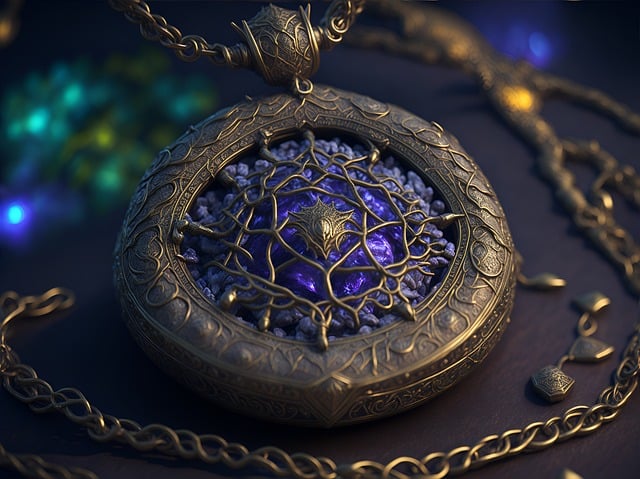
Wearing Bes amulets, especially in homes with children or in romantic relationships, is a practical way to keep his protection close. Modern jewelry inspired by Bes combines aesthetic appeal with spiritual significance, bridging ancient practice and contemporary life.
Conclusion
Bes remains one of the most approachable and beloved deities of the Egyptian pantheon. His combination of protective power, joyful energy, and intimate connection to home, family, and love makes him a unique figure in mythology. By understanding and invoking Bes, both ancient and modern devotees recognize the importance of safeguarding what is closest to the heart. His dwarf form may seem small, but his influence is vast, extending beyond the physical and into the emotional and spiritual fabric of life.
In a world where the forces of chaos and misfortune are always present, Bes reminds us that protection, joy, and love are not just divine gifts—they are practices woven into the very heart of home and family. The enduring legacy of Bes demonstrates that even in the smallest and most unexpected forms, the divine can offer strength, guidance, and laughter to those who call upon it.